Setup, Installation & Maintenance
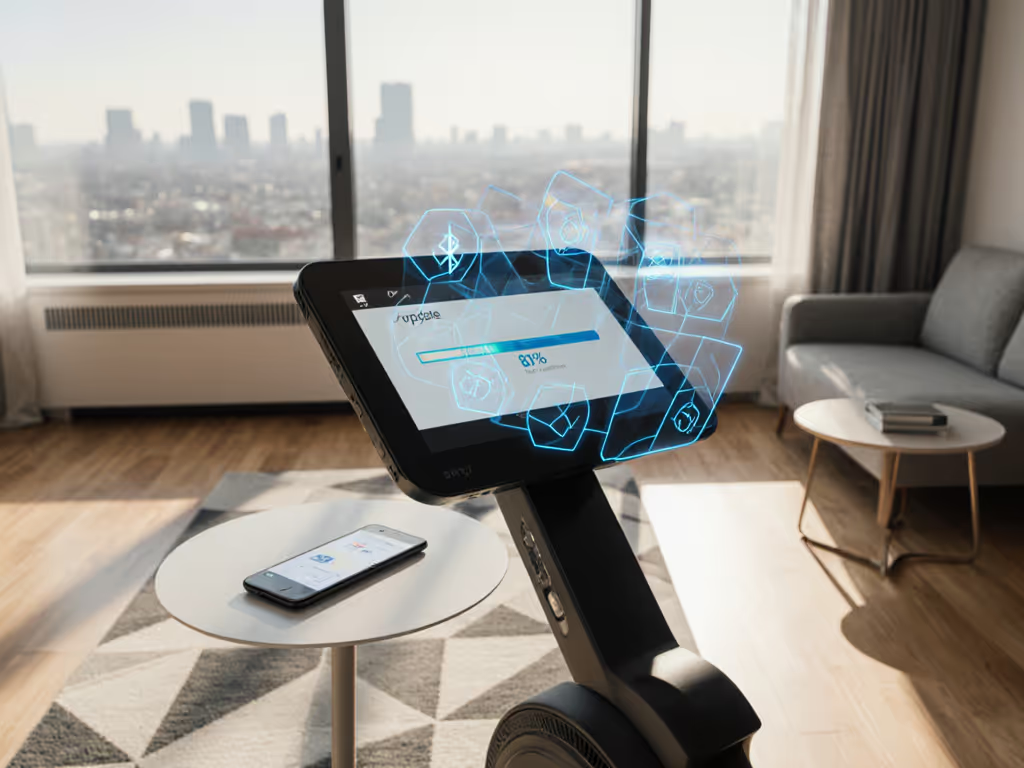
Rower Firmware Updates Fix Bluetooth Disconnections
26th Jan•6 min read
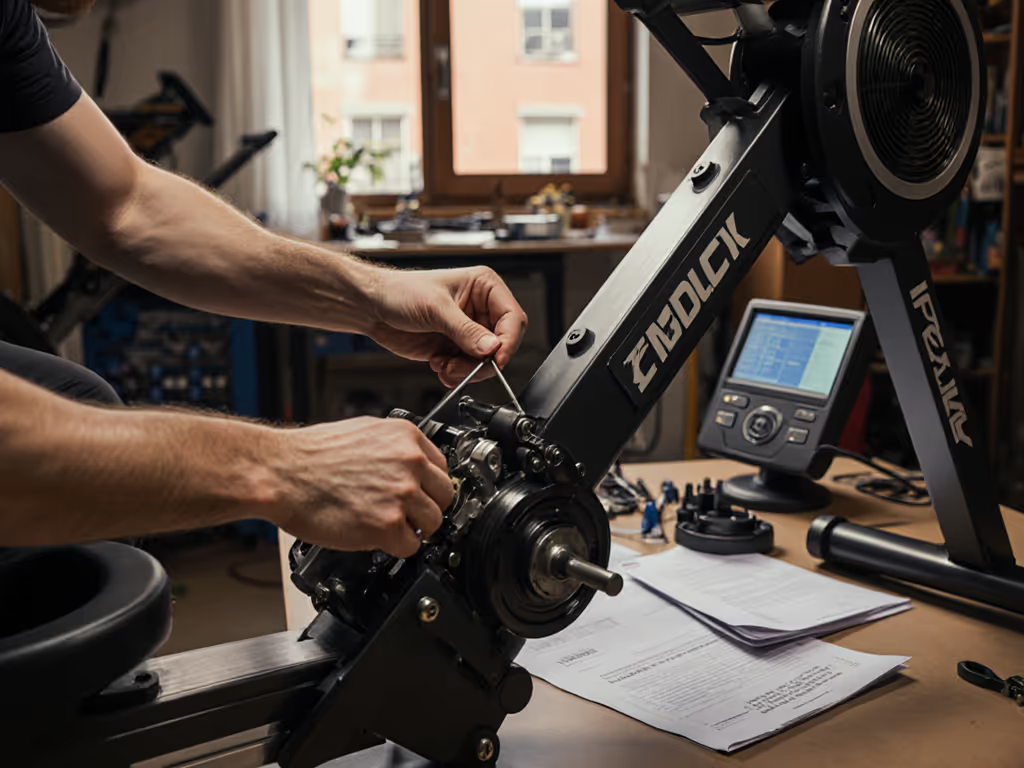
As someone who's measured the exact hip and ankle angles that transform rowing from discomfort to daily habit, I know how quickly a nagging back twinge can derail your routine. When my own ergometer threw off my biomechanics (thanks to a slightly misaligned rail), my "fix" was less about watts and more about comfort metrics. That experience taught me: professional rower repair isn't just about fixing broken parts; it's about preserving the precise fit that makes rowing sustainable. When searching for reliable rowing machine repair services, you need technicians who understand that a millimeter of rail misalignment or a degree of handle misalignment affects your stroke consistency as much as the resistance itself.
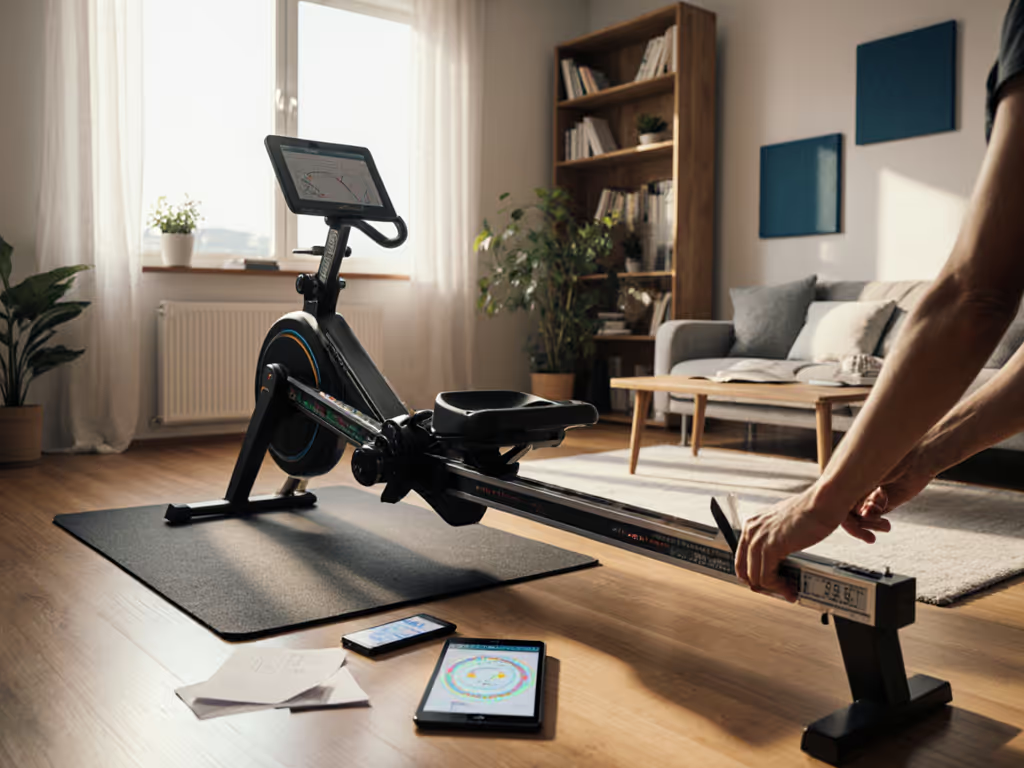
Most repair guides focus solely on mechanical functionality, but for rowers who train daily in limited spaces, proper biomechanics maintenance is equally critical. A misaligned seat rail might seem like a minor issue, but it alters your hip angle by 3 to 5 degrees during the recovery phase, enough to cause cumulative strain for users between 5'2" and 6'4". Similarly, an improperly tensioned chain affects handle path consistency, creating subtle resistance spikes that disrupt your stroke rhythm.
Comfort you can measure becomes consistency you can trust.
When evaluating repair quality, look beyond "just working again" to whether the technician has calibrated:
Without these adjustments, your "repaired" machine might function mechanically but fail to support the body-neutral stroke you need for daily practice. If you want to double-check your technique basics, review our Proper Rowing Form guide.
Before trusting your rower to any service, assess whether they understand biomechanical precision. Call potential providers and ask:
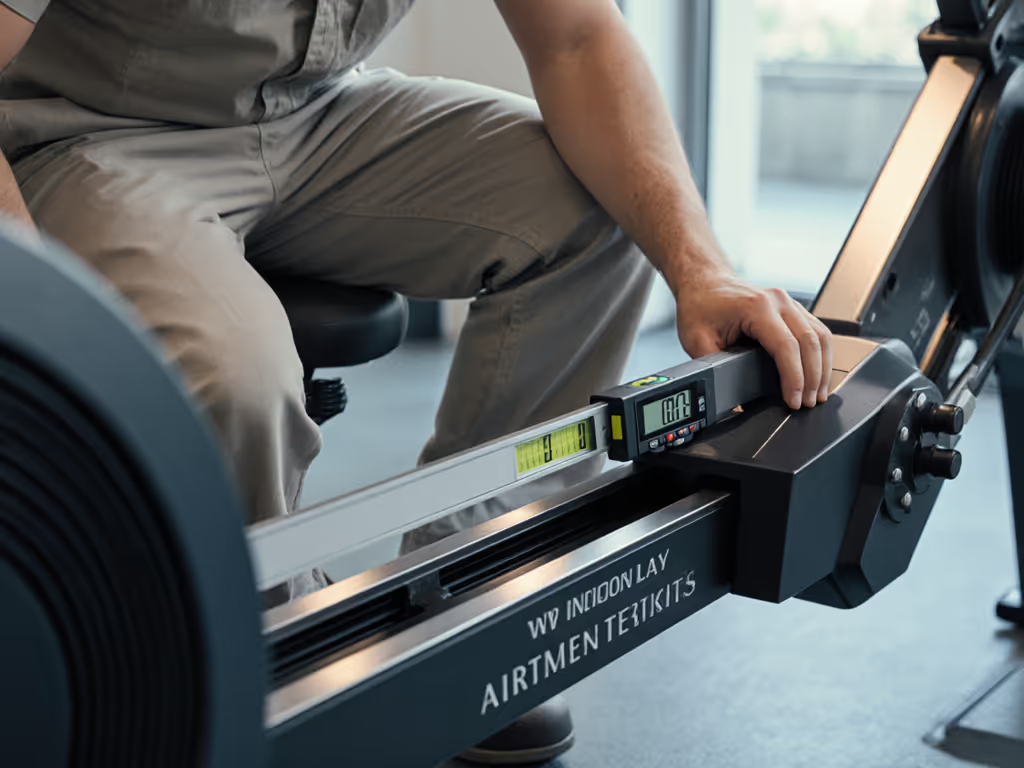
Providers familiar with these concepts understand that a rower isn't just exercise equipment, it is a precision tool for movement. Certified rowing machine technicians who specialize in ergonomics will reference angle ranges in degrees and explain how their process maintains the manufacturer's intended stroke path. Those who merely swap parts without addressing alignment metrics may temporarily fix your issue but won't ensure repeatable comfort.
When selecting local rower repair shops, don't settle for generic fitness equipment credentials. Specialized rowing expertise is non-negotiable because:
Ask for specifics about:
Premium service providers document these parameters in repair reports. If a shop can't discuss the relationship between foot stretcher position and knee angle during drive phase, they're likely prioritizing speed over sustainable function.
Different rower technologies require specialized repair approaches that directly impact your comfort metrics:
Proper repair of air rowers focuses on flywheel alignment and belt tension. Misalignment here creates uneven resistance (felt as "sticky" spots at specific handle positions). Top-tier rowing machine service providers measure:
Without these measurements, even "repaired" air rowers develop subtle resistance variations that disrupt your stroke rhythm, especially problematic for users with shoulder sensitivities.
Water rower repairs require precision handling of the tank and rail system. For DIY upkeep between service visits, see our Water Rower Maintenance guide. The best certified rowing machine technicians:
A slightly tilted tank may seem cosmetic but alters the relationship between footplate position and hip angle, particularly impactful for taller users needing maximum rail extension.
Magnetic rower repairs require electronic calibration expertise. Quality service providers:
Poorly calibrated magnetic resistance creates "dead zones" where your perceived effort doesn't match monitor feedback, disrupting the feedback loop essential for consistent training.
When comparing out-of-warranty rower repair options, don't just look at the lowest price. Calculate true value using these ergonomic metrics:
| Cost Factor | Basic Repair | Premium Ergonomic Repair |
|---|---|---|
| Initial Cost | $120 to $180 | $200 to $300 |
| Rail Alignment | Not verified | Measured to 0.5mm tolerance |
| Comfort Metrics Verified | None | Hip/knee/ankle angle ranges |
| Adjustability Preservation | May limit range | Full functionality maintained |
| Longevity Impact | 6 to 12 months | 2+ years before repeat issues |
A premium repair service adds $80 to $120 up front but typically extends your rower's biomechanically sound life by 2 to 3 times. To compare manufacturer protections that can influence repair decisions, see our Rowing Machine Warranty Comparison. For users who row daily in apartments or small homes, this longevity directly supports your ability to maintain consistent, neighbor-friendly workouts without interruption.
Before finalizing your repair choice, verify how they handle future maintenance. The best rowing machine service providers offer:
Ask specifically: "If my seat rail develops play after repair, is realignment covered under your warranty?" Providers who stand behind biomechanical precision will offer 90 to 180 day coverage for alignment issues, not just replaced parts. For ongoing care checklists you can follow at home, bookmark our Rowing Machine Maintenance Guide.
Years ago, I stopped rowing because of that persistent back issue, until I measured the exact angles causing discomfort. Good rowing machine repair services do the same for mechanical issues: they don't just fix the symptom; they restore the precise biomechanical relationship that makes rowing feel sustainable. When your footplates return to their proper angle range, when your seat travels silently along a perfectly aligned rail, when your handle path feels smooth through every stroke phase, that's when repair becomes more than maintenance. It becomes the foundation for showing up day after day.

Good fit turns discipline into a habit you actually keep. And when your equipment supports that fit consistently, you stop worrying about whether your machine will break and start focusing on what truly matters: your progress, your consistency, your next workout.
Fit first, power follows. Whether you're repairing your current machine or evaluating future purchases, prioritize service providers who understand that true functionality isn't just about moving parts, it's about moving you comfortably, reliably, and sustainably through thousands of repetitions.
Ready to verify your local rowing machine repair services through an ergonomic lens? Download my free checklist: 5 Biomechanical Tests for Verified Rower Repair. It includes specific measurements to request from technicians and simple at-home verification methods to ensure your repaired machine truly supports your body's needs. Because the best repair isn't just functional, it's the one that makes you forget you ever needed it.