
Setup, Installation & Maintenance
Rower Firmware Updates Fix Bluetooth Disconnections
26th Jan•6 min read
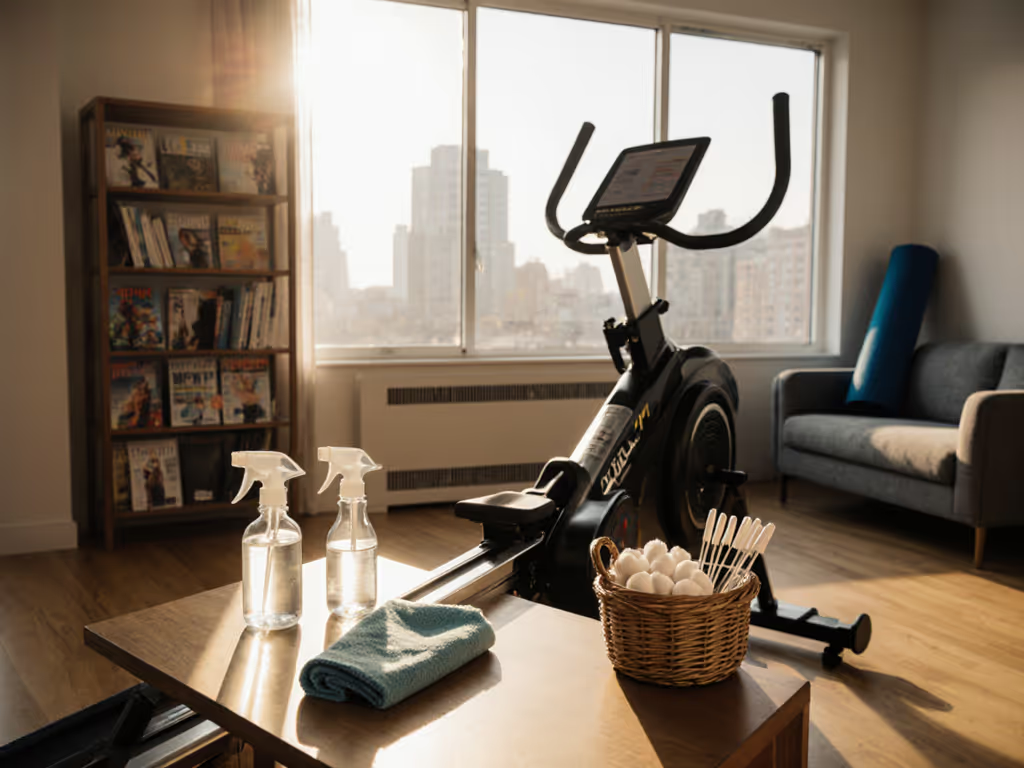
As a coach-minded tester who optimizes equipment interfaces for sustainable workouts, I've seen how proper rowing machine cleaning products transform user experience. When your rail glides silent and smooth at 75 to 85 degrees of knee angle through the drive phase, you've achieved the kind of consistent rhythm that builds habit (not just endurance). The right rower maintenance supplies aren't just about longevity; they're foundational to that repeatable comfort you can measure. Adjust once, enjoy every session.
Your rowing machine's performance isn't just about your technique; it's deeply connected to its mechanical integrity. When dust accumulates on magnetic rower tracks, it disrupts the smooth resistance curve between 200 and 220 mm of seat travel. Not sure how resistance type influences upkeep and sound? See our Water vs Magnetic Rower Noise guide. For water rowers, mineral deposits in the tank alter fluid dynamics, creating inconsistent drag that throws off your catch angle timing.
I learned this through experience: a nagging hip discomfort forced me to analyze my entire setup. After measuring contact points, I discovered degraded rail lubrication was causing inconsistent seat movement. Cleaning and proper maintenance resolved the issue (without changing my body position one degree).
Different rowing machine components demand precise care strategies. Here's what actually works for each section:
The monorail is your most critical contact point. A grimy rail creates uneven resistance during the 30 to 45 degrees forward body angle of recovery.
Safe cleaning approach:
Avoid WD-40 at all costs (it attracts dust and degrades performance consistency within weeks)
Critical detail: With magnetic rower track cleaning, never use silicone-based lubricants. They attract metallic particles that accelerate wear on your resistance mechanism.
Chains require different care than straps (mixing approaches causes premature wear).
Chain maintenance:
Belt maintenance:

Electronic components require special attention. Improper cleaning destroys sensors that track your 20 to 30 strokes per minute cadence.
Verified safe approach:
Concept2's research confirms that 1/3 cup household bleach to 1 gallon water provides effective disinfection, but this solution must never contact electronics. Choosing between built-in monitors? Compare PM5 vs iFIT data accuracy to protect training quality.
Water rowers present unique challenges. Without proper water rower tank treatment, mineral buildup alters resistance at each stroke's finish phase.
Safe maintenance protocol:
Effective rowing machine sanitization requires both frequency and methodology. Here's what delivers measurable results:
As someone who prioritizes joint-friendly designs, I recommend these verified-safe products for your toolkit:
These common household products actually accelerate wear:
When selecting among the best rowing machine cleaners, look for pH-neutral formulas with no petroleum distillates. The difference shows up in your stroke consistency metrics within just two weeks of proper application.
Here's what most guides miss: proper cleaning isn't just about equipment longevity (it directly impacts your biomechanics). A clean, well-maintained rail allows consistent seat movement through your personal 70 to 85 cm stroke length. This predictability reduces compensatory movements that cause discomfort at the hip joint during recovery.
When your machine operates at its mechanical baseline, you can accurately measure and adjust your technique. That's when discipline becomes habit (when you're not fighting equipment inconsistencies stroke after stroke).
Your move: Start with your weekly cleaning protocol this weekend. Measure your perceived exertion over 20 minutes before and after proper maintenance. Most users see a 5 to 8% reduction in perceived effort at the same split time (proof that equipment care directly impacts sustainable performance).
For deeper insights into matching equipment maintenance to your specific biomechanics, explore our detailed guide on measurable fit parameters that transform occasional workouts into lasting habits.