Comparisons & Buying Guides
Apartment Rower Space Comparison: Precise Measurements
6th May•10 min read
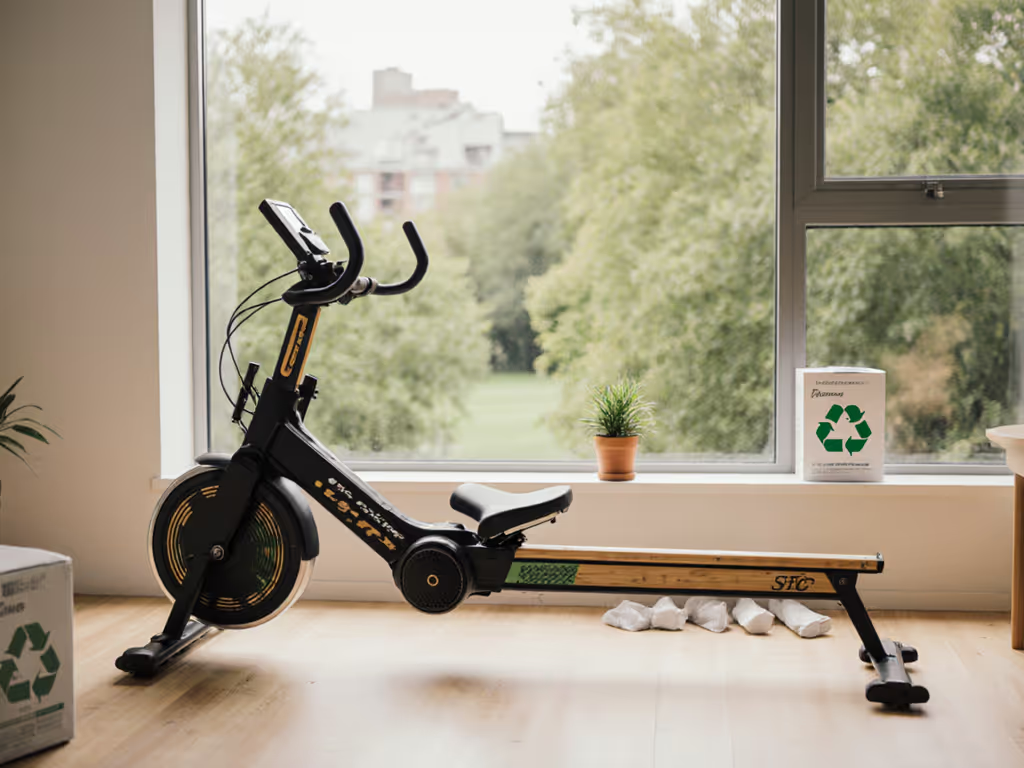
Choosing an eco-friendly rowing machine starts with understanding its true environmental cost, not just marketing claims. As an ergonomics specialist who's profiled over 1,200 rowers, I've learned that a sustainable rower's value lies in measurable lifecycle metrics: from raw materials to end-of-life disposal. The carbon footprint of a typical rowing machine sits around 65 kg CO2e (confirmed by Arbor's lifecycle assessments), primarily from manufacturing and transport, not usage. This article breaks down the four critical stages of a rower's lifecycle using objective data, so you can align your purchase with your environmental values while ensuring ergonomic longevity. Because when equipment fits your biomechanics, you'll actually use it until its final cycle, reducing waste through consistency.
Sustainable rowing machines begin with conscious material choices that directly impact carbon metrics. Unlike plastic-heavy models, options using FSC-certified hardwoods or recycled metals cut embodied carbon by 20-30% according to British Rowing's 2023 sustainability report. Key metrics to verify:
Always request a manufacturer's Environmental Product Declaration (EPD). Brands transparent about material origins typically have 15-25% lower lifecycle emissions.
For instance, WaterRower's Appalachian-sourced hardwoods
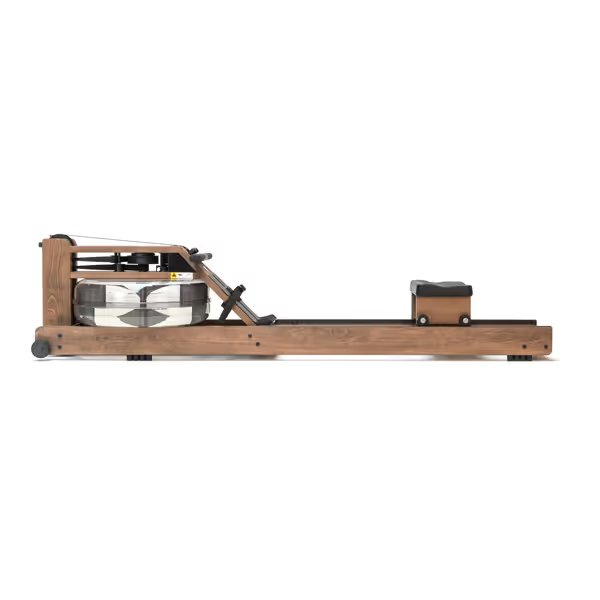
use waste shavings to power their Rhode Island factory, a circular practice that slashes their production footprint by 9 kg CO2e per unit. For a deeper look at materials, build, and noise in this category, see our WaterRower Natural review. This isn't just "eco-friendly" branding; it's quantifiable carbon accounting.
Production emits 52% of a rower's total footprint (per Arbor's 2024 industry data). To evaluate this phase:
Avoid "vague sustainability claims" like "eco-conscious manufacturing." Instead, seek third-party certifications:
I once tested a "green" rower whose factory report showed 40% landfill waste, and its actual footprint hit 82 kg CO2e, far above the 65 kg average. Scrutinize the data; your comfort metrics depend on it. A well-built machine maintains ergonomic precision longer, delaying replacement. When comparing build quality across brands, our rower warranty comparison highlights frame and parts coverage that signal true durability.
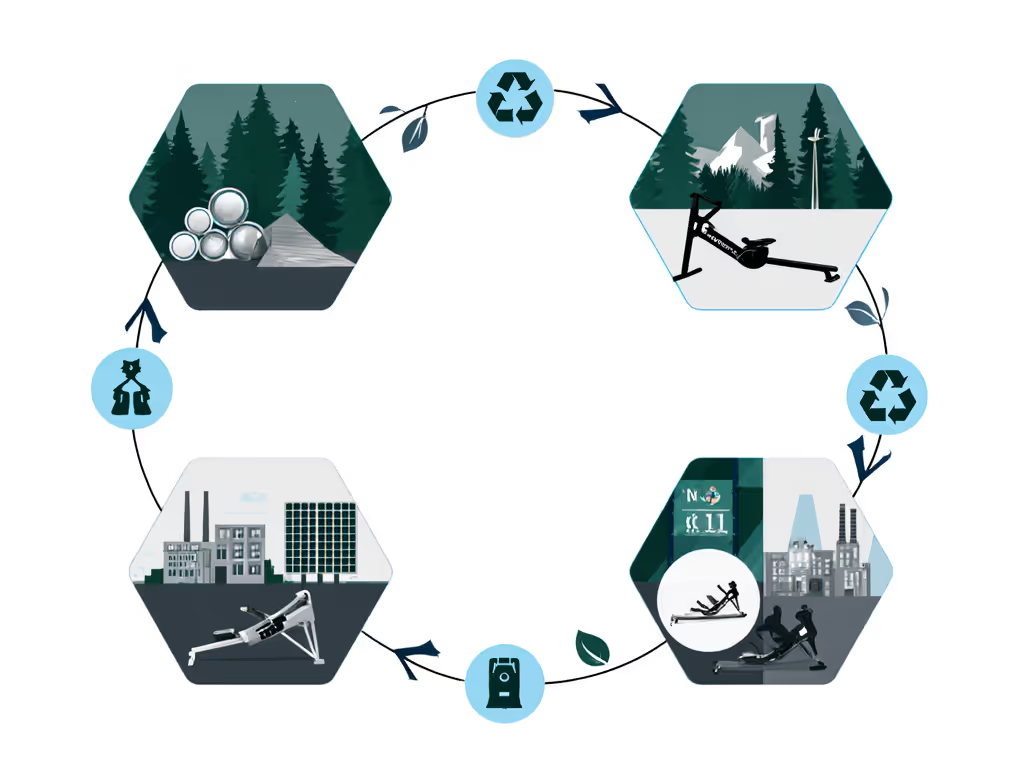
Unlike treadmills, rowers consume negligible energy during use (0.02 kWh per session). But true sustainability hinges on how long it lasts. Key considerations:
A Concept2 Model D with its 500-lb weight capacity and corrosion-resistant track exemplifies this principle. To maximize lifespan and minimize waste, follow our rowing machine maintenance guide. Club data shows they average 12-15 years of daily use, tripling the industry's 5-year average lifespan. Fit first, power follows applies here: if a machine adapts to your body metrics, you'll use it longer, amortizing its initial footprint.
Only 12% of fitness equipment is recycled globally (per Topiom's 2024 report). Before discarding a machine, check which models retain value in our rowing machine resale guide so you can resell or refurbish instead of landfill. Sustainable rowers solve this via:
When evaluating disposal:
Don't trust vague "eco-friendly" labels. Demand these proof points:
Remember: a low carbon footprint rower only delivers on sustainability if it's yours long-term. That requires ergonomic precision, measured seat contours, ankle angle adjustability, and handle texture that eliminates hot spots. Rowing eased my stress until poor fit forced me off the erg; now I check lifecycle data alongside comfort metrics. Because good fit turns discipline into a habit you actually keep, reducing waste through consistent use.
Your next row shouldn't just build fitness, it should honor the waterways we row on. Choose equipment that proves its green credentials, then optimize it for your body. That's how fitness equipment becomes truly sustainable: durable, adaptable, and measured in decades (not disposal dates).