Comparisons & Buying Guides
Apartment Rower Space Comparison: Precise Measurements
6th May•10 min read
For urban dwellers and small-space home gyms, selecting the right rowing machine involves balancing durability, maintenance demands, and long-term value. Compact models like the YOSUDA Magnetic/Water Rower (
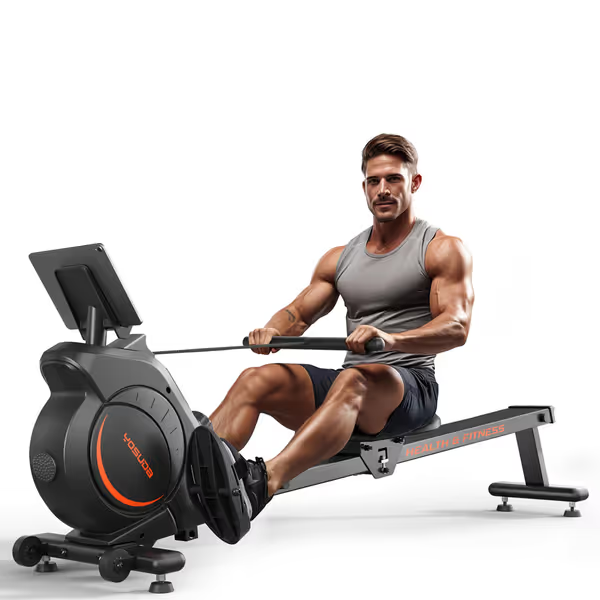
) offer versatile resistance options, but how do commercial-grade alternatives compare? This analysis dissects key contenders across critical categories, prioritizing open protocols for data portability and minimal neighbor disruption. Durability hinges on construction; magnetic and air rowers typically outperform water models in longevity. Maintenance varies sharply by resistance type: magnetic requires near-zero upkeep, while water tanks demand quarterly tablet treatments and cleaning. Value extends beyond price, with warranty terms, resale potential, and ecosystem flexibility defining true ROI for space-constrained users[1][2][5][6][7]. Testing the sync before you commit to any ecosystem is vital for avoiding app lock-in.
Commercial durability relies on frame materials and load capacity. Steel/aluminum models like the Concept2 RowErg (10-year frame warranty) and Aviron (20-year warranty) support 500 lbs, earning 4.5-5/5 durability ratings[1][4]. Water rowers like Ergatta use wood frames rated 3.5/5 for longevity, despite premium pricing[1][4]. Magnetic options like the Hydrow Wave leverage 102 lbs of steel for stability (4.5/5 durability)[1], while budget magnetic rowers like the YOSUDA Pro-185 ($299.99) utilizes 5mm alloy steel for a 350-lb capacity[Affiliate].
| Machine | Frame Material | Max Weight | Warranty |
|---|---|---|---|
| Aviron | Steel/Aluminum | 500 lbs | 20-year frame |
| Concept2 RowErg | Steel | 500 lbs | 10-year frame |
| Hydrow Wave | Steel | 375 lbs | 5-year frame |
| YOSUDA Pro-185 | Alloy Steel | 350 lbs | 5-year frame |
| Ergatta Rower | Wood | 500 lbs | Limited lifetime |
Steel-framed magnetic and air rowers resist warping and squeaks long-term, whereas wood expands/contracts with humidity[1][5]. Tall users (up to 6'8") should verify rail length: 48-53 inches accommodates most, but the Concept2 Model E extends further[7].
Resistance mechanisms dictate upkeep frequency:
Compact models like the ProForm 750R prioritize storage but use less durable folding mechanisms. Verify hinge durability if folding/unfolding daily[2][3].
Magnetic rowers excel in noise reduction. The YOSUDA's dual silent system (<50 dB) and NordicTrack's belt drive minimize disruption[3][Affiliate]. Water rowers generate a soothing "swoosh" (65-70 dB), while air rowers like Concept2 produce fan noise (75-85 dB). If you’re deciding between water and magnetic for apartment quiet, see water vs magnetic noise.
For vibration control:
Ecosystem flexibility prevents subscription lock-in. Prioritize Bluetooth FTMS/ANT+ compatibility like the Concept2 PM5 monitor, which syncs data to Strava/Apple Health without fees[7]. Closed systems (Hydrow, Ergatta) require $39-$45/month subscriptions for metrics[1]. To avoid lock-in, read our open connectivity guide. The YOSUDA supports Bluetooth apps but lacks integrated training, so pair it with free apps like Kinomap[Affiliate].
Footprint efficiency varies:
Tall users should verify ProForm's 86-inch rail clearance[2].
Premium models (Aviron, $2,000+) justify costs with 20-year warranties and dual resistance[1][4], while budget magnetic rowers (<$500) like the YOSUDA offer surprising durability for casual use[Affiliate]. Water rowers' wood frames depreciate faster than steel[1][5]. Key metrics:
| Machine | Price | Resale Value | ROI Factors |
|---|---|---|---|
| Concept2 RowErg | $1,200 | High | Gym-grade parts, global demand |
| YOSUDA Pro-185 | $299.99 | Moderate | Alloy steel frame, 350-lb cap |
| Ergatta Rower | $2,000+ | Low | Wood frame, water maintenance |
Value-seekers should prioritize magnetic resistance, steel frames, and 5+ year warranties. For long-term economics, see which models hold value best in our rower resale value analysis.
).
Future-proof your setup: Prioritize FTMS/ANT+ connectivity, steel frames, and magnetic resistance to avoid ecosystem or maintenance traps. Test the stroke feel and noise profile pre-purchase, since what suits a loft may fail in a pre-war walk-up.